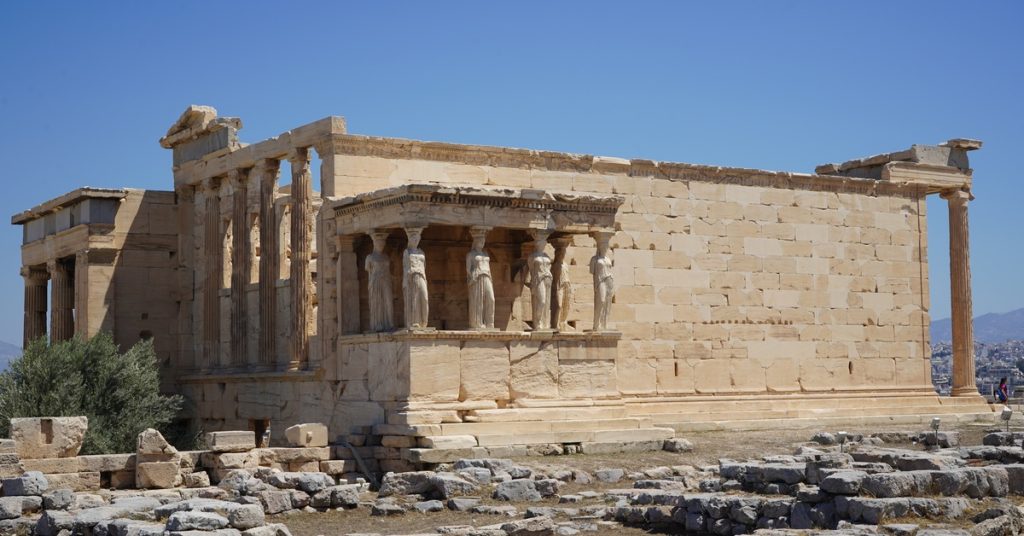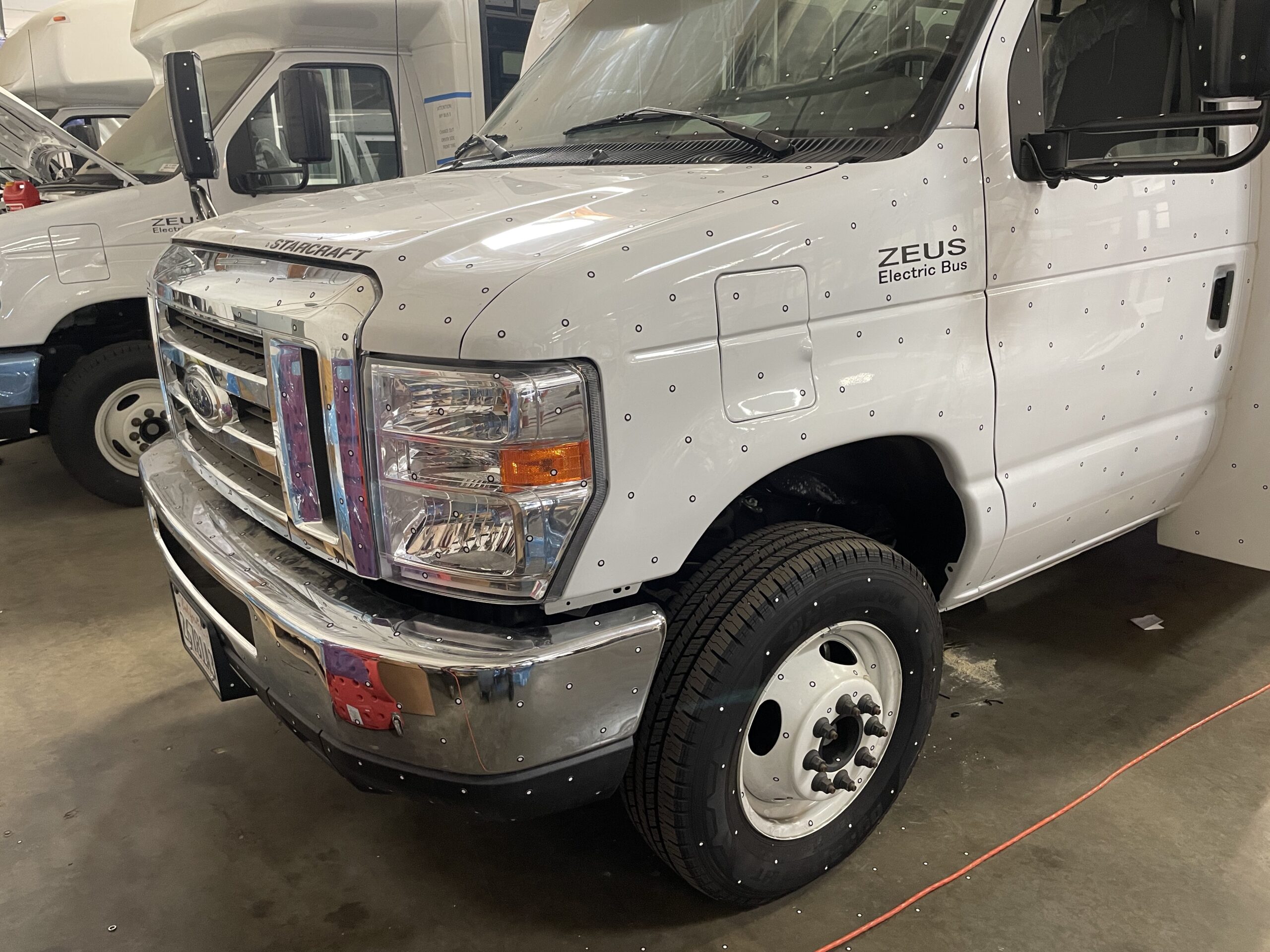
Cultural heritage represents humanity’s collective memory—the artifacts, monuments, and sites that tell our shared story across millennia. From ancient sculptures to historic buildings, these irreplaceable treasures face constant threats from natural disasters, human conflict, environmental degradation, and the simple passage of time. Traditional preservation methods, while valuable, often fall short of providing comprehensive protection against these mounting challenges.
3D scanning technology has emerged as a powerful ally in the fight to preserve our cultural heritage. If you’re unfamiliar with how this tech is involved, this guide is here to better explain how 3D scanning is helping to protect our cultural heritage.
What is 3D Scanning?
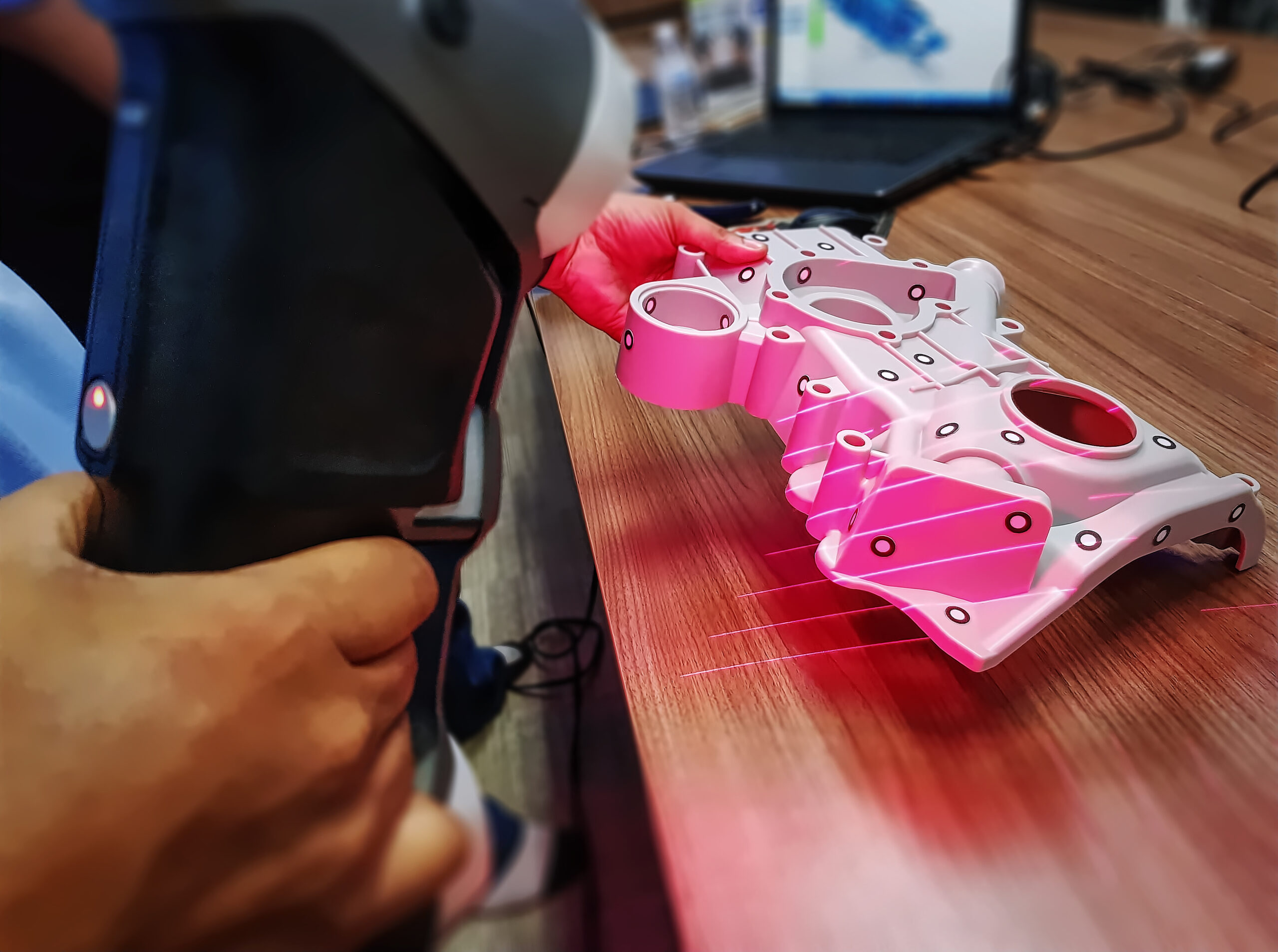
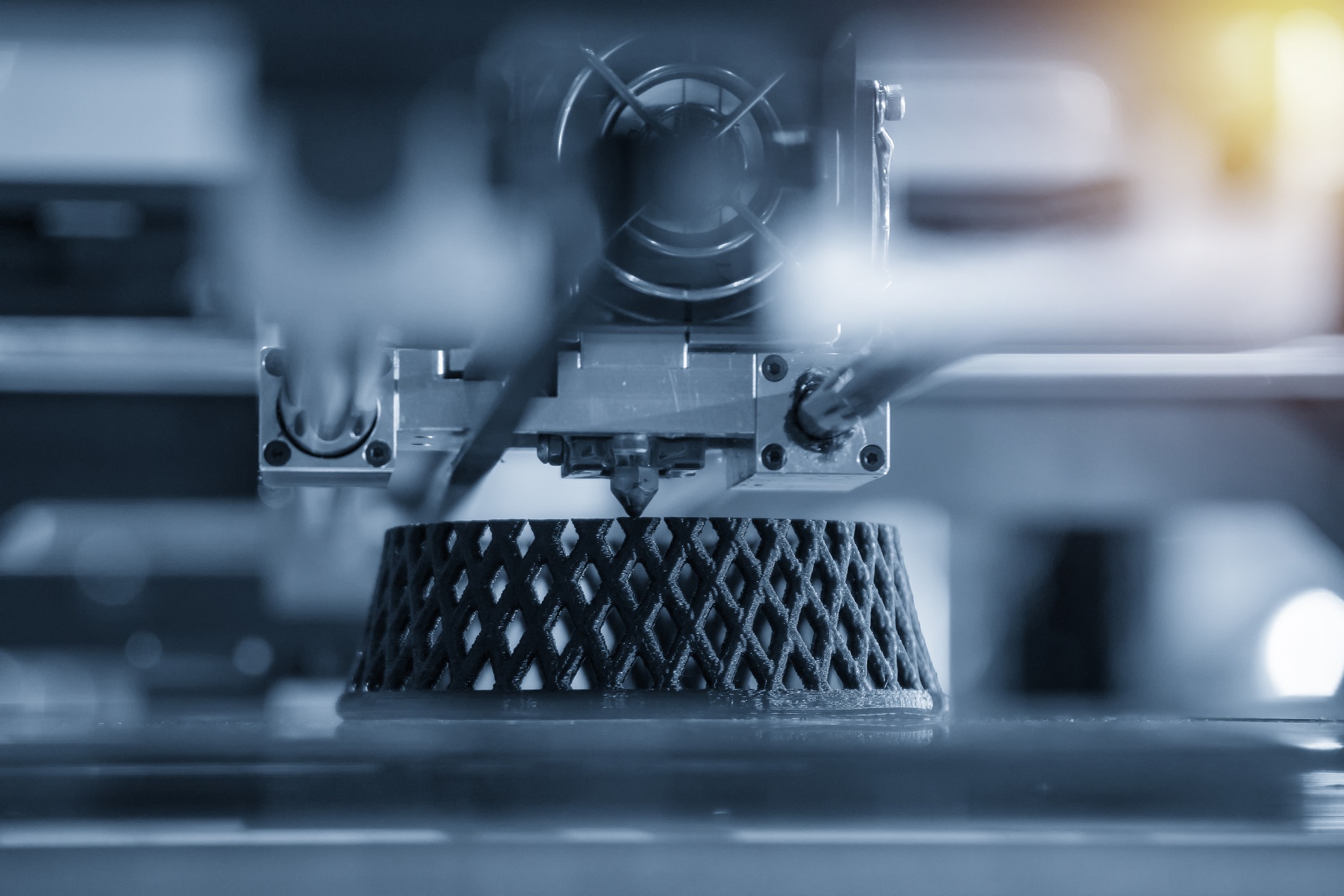
First, let’s better explain what 3D scanning is. At its core, it’s a process that captures the exact geometry, dimensions, and surface details of physical objects or environments, converting them into precise digital models. The technology works by measuring millions of points on an object’s surface and translating this data into a three-dimensional digital representation that others can then view, analyze, and manipulate on computers.
Several types of 3D scanning technologies serve the cultural heritage sector. Laser scanning solutions use focused laser beams to measure distances with exceptional accuracy, making them ideal for large structures and outdoor monuments. Then there’s photogrammetry, which combines multiple overlapping photographs to reconstruct 3D models, offering a cost-effective solution for smaller artifacts. Finally, structured light scanning projects patterns onto objects to capture surface details, providing excellent results for intricate pieces with complex textures.
Documenting Cultural Artifacts
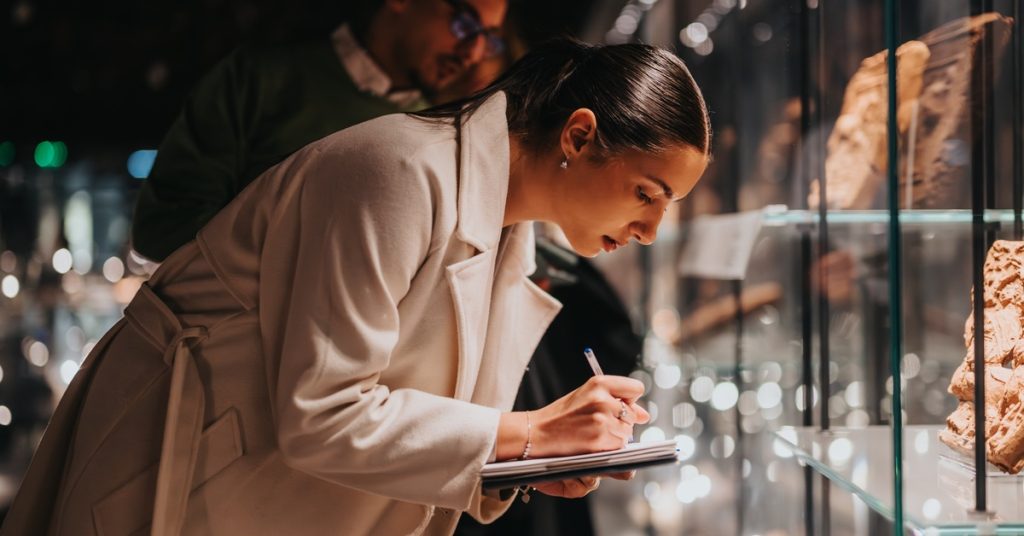
Since 3D scanning creates such detailed, accurate digital replicas, they can serve as permanent records of cultural artifacts in their current state. These digital twins capture not just the overall shape and dimensions, but also surface textures, wear patterns, and minute details that might be invisible to the naked eye. This level of documentation proves invaluable when physical artifacts deteriorate over time or require detailed study.
The benefits of digital documentation extend far beyond simple record-keeping. Digital replicas enable virtual access to artifacts housed in museums around the world, breaking down geographical barriers that have traditionally limited scholarly research. Researchers can examine high-resolution 3D models from anywhere and conduct detailed analyses without risking damage to fragile originals.
Notable scanning projects have captured some of the world’s most treasured artifacts. The British Museum has digitally preserved the Rosetta Stone, allowing global access to this cornerstone of linguistic history. Similarly, detailed 3D scans of Michelangelo’s David provide researchers and art enthusiasts with unprecedented views of the masterpiece, revealing tool marks and artistic techniques that illuminate the sculptor’s methods.
Restoration and Conservation
3D scanning can also help provide restoration specialists with precise measurements and detailed models that guide conservation efforts. Before beginning any restoration work, conservators can create comprehensive digital records documenting the artifact’s condition and informing treatment decisions. This data-driven approach ensures that restoration work maintains historical accuracy while addressing structural or aesthetic concerns.
The technology minimizes risks during restoration by allowing virtual testing of different conservation techniques. Conservators can simulate various approaches using the digital model, identifying potential issues before applying treatments to the original artifact. This capability proves particularly valuable when working with fragile or unique pieces where mistakes could result in irreversible damage.
The restoration of Notre-Dame Cathedral following the 2019 fire exemplifies 3D scanning’s role in conservation. Detailed laser scans captured the cathedral’s structure before and after the fire, providing architects and craftspeople with precise measurements needed to rebuild damaged sections while maintaining historical authenticity. These digital records guide every aspect of the restoration process, from recreating the iconic spire to restoring intricate stone carvings.
Education and Accessibility

Something else to consider is the fact that 3D scanning democratizes access to cultural heritage by bringing artifacts and sites to global audiences through virtual museums and online platforms. Students, researchers, and cultural enthusiasts who cannot visit physical locations can now explore detailed digital replicas, fostering broader appreciation for our shared heritage.
Educational institutions leverage 3D scanning to enhance learning experiences. Art history students can examine sculptures from multiple angles, architecture students can study building construction techniques, and archaeology students can analyze artifact details with unprecedented clarity. This hands-on digital interaction deepens understanding in ways that traditional photographs or videos cannot match.
Virtual and augmented reality applications built from 3D-scanned heritage sites offer immersive experiences that transport users to ancient temples, historic battlefields, and lost civilizations. These technologies make cultural heritage engaging for younger generations while supporting tourism and cultural education initiatives worldwide.
Disaster Recovery and Risk Mitigation
Natural disasters, armed conflicts, and human vandalism pose constant threats to cultural heritage sites. 3D scanning serves as a digital insurance policy, creating comprehensive backups that preserve detailed records even when physical structures face destruction.
The tragic destruction of Palmyra’s ancient temples by ISIS highlighted both the vulnerability of cultural heritage and the value of digital preservation. Fortunately, researchers had previously conducted extensive 3D scanning of the site, capturing detailed records of the architecture and decorative elements. These digital archives now support reconstruction efforts and ensure that knowledge of these magnificent structures survives despite their physical destruction.
Similarly, 3D scanning helps heritage sites prepare for and recover from natural disasters. When earthquakes, floods, or fire damage historic structures, digital records provide blueprints for accurate reconstruction. This proactive approach ensures that restoration efforts can begin quickly and proceed with confidence in their historical accuracy.
Challenges and Limitations
Even though 3D scanning has done so much to help preserve our cultural heritage, it still faces several challenges. For example, cost considerations limit access for smaller institutions or developing nations, as high-quality scanning equipment and skilled operators require significant investments. Technical expertise presents another barrier, as effective 3D scanning demands specialized knowledge of equipment operation, data processing, and digital preservation standards.
Data storage and management pose ongoing challenges, as high-resolution 3D scans generate massive files that require substantial storage capacity and robust backup systems. Long-term preservation of digital assets demands careful planning to ensure accessibility as technology evolves.
On top of that, ethical considerations surrounding digital replicas raise a few important questions about ownership, access rights, and cultural sensitivity. Who controls digital copies of sacred objects or culturally significant sites? How should institutions balance public access with respect for indigenous communities’ cultural protocols?
Professionals in the field have gradually started addressing many of these challenges. One way is by advancing the technology in a way that helps reduce equipment costs and improve user-friendliness. International collaborations are developing standards for digital heritage preservation, while training programs build capacity in regions with rich cultural heritage but limited technical resources. In the end, we know these issues will eventually get worked out, but in the meantime, it’s great to know that our heritage will never be entirely lost.